hubspotrevenue-operationsbridgerev
The Importance of a Structured RevOps Roadmap for Sustainable Growth
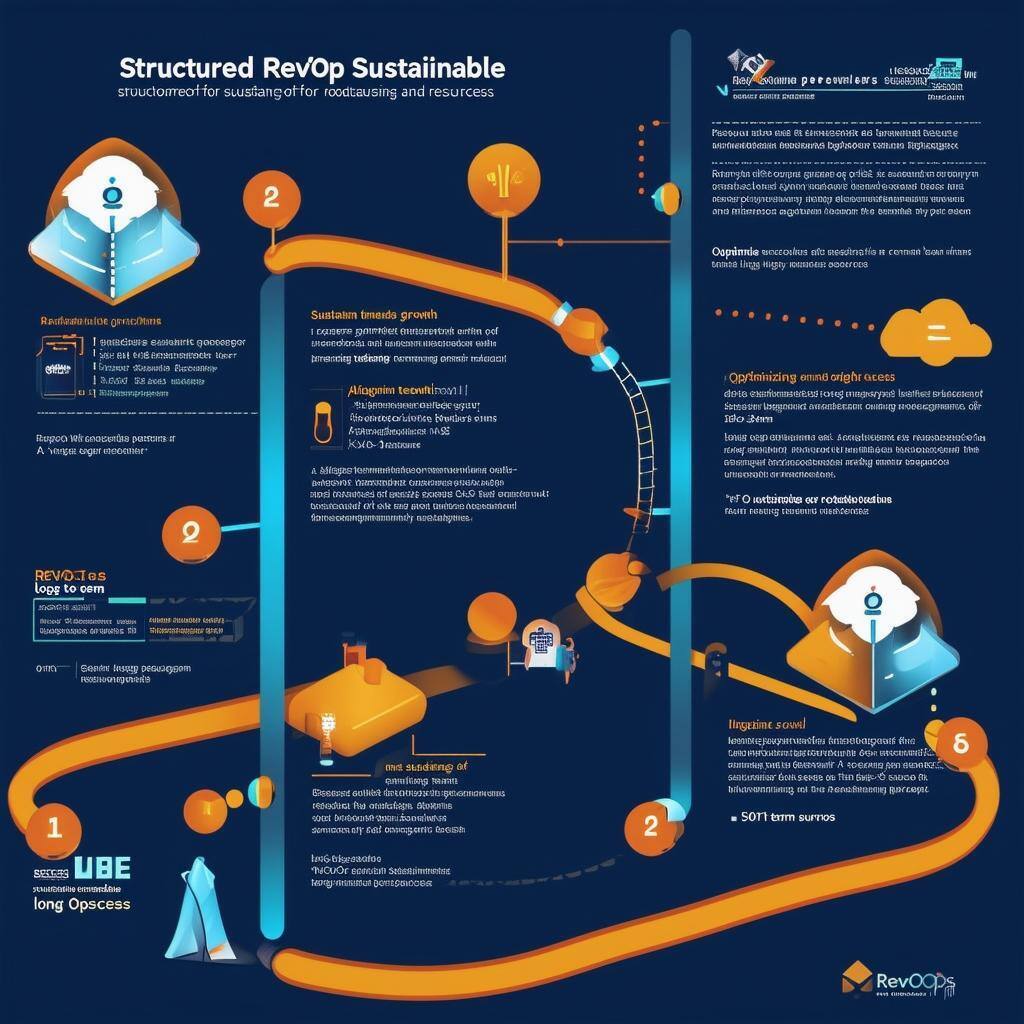
Provides Clear Direction and Alignment Across Teams
A structured RevOps roadmap ensures that all teams are aligned toward common objectives. Without it, departments often work in silos, which leads to inefficient processes and miscommunication. A clear roadmap:
- Establishes Unified Revenue Goals: Set shared Key Performance Indicators (KPIs) for sales, marketing, and service teams to work toward.
- Facilitates Team Collaboration: Regular strategy sessions and communication help teams collaborate more effectively.
With a structured approach, everyone works from the same playbook, ensuring that all revenue-generating activities are aligned with long-term business goals.
Maximizes Efficiency and Resource Allocation
A structured RevOps roadmap enables businesses to prioritize initiatives that deliver the highest return on investment. This ensures efficient use of resources and drives long-term revenue growth.
- Streamlines Processes: Standardized workflows and automation allow teams to focus on strategic initiatives rather than manual tasks.
- Optimizes Resource Allocation: By focusing on high-impact initiatives, businesses can better allocate budget, tools, and talent toward the most effective activities.
With a roadmap, you can identify operational bottlenecks, improve productivity, and avoid wasteful spending.
RevOps Assessment Banner
Supports Data-Driven Decision Making
A structured roadmap is rooted in data. By consistently tracking performance metrics and making data-driven adjustments, businesses can stay agile and continuously improve their RevOps strategy.
- Real-Time KPI Monitoring: HubSpot’s analytics and reporting tools provide real-time insights into sales performance, lead conversion, and customer satisfaction.
- Data-Driven Adjustments: Use data to refine processes, optimize customer touchpoints, and adjust strategies to maximize revenue.
With a structured plan, businesses can continuously refine their strategies based on data, ensuring optimal performance.
Ensures Scalability and Long-Term Growth
As businesses grow, having a structured RevOps roadmap becomes even more essential. A scalable strategy ensures that processes can evolve to handle increasing customer volumes, more complex workflows, and expanding teams.
- Expand Your Tech Stack: As your business grows, you can integrate new tools and technologies into your existing systems to support expansion.
- Adapt Processes for Growth: Regularly review and refine workflows to ensure they can scale with your business.
A structured roadmap ensures that your RevOps strategy can evolve with your business, supporting sustainable growth for the long term.
Build a Structured RevOps Roadmap for Success
A structured RevOps roadmap is key to aligning teams, optimizing resources, and ensuring your business is set up for sustainable, scalable growth. By focusing on team collaboration, data-driven decision-making, and long-term planning, your business can unlock higher revenue potential and greater operational efficiency.
Keep reading

Oct 13, 2026
Software in a Service: Taking Responsibility for What Happens Next
An integration fails on a Tuesday morning. Website inquiries stop reaching the CRM. Nobody notices until a customer calls to ask why no one got back to them.

Feb 03, 2026
What HubSpot Admins Should Focus on in Q1
Q1 is when HubSpot Admins lock the decisions that keep Q2 (and the rest of the year!) from turning into damage control. This is the time to decide what the system will do, who owns what, and how you’ll measure success.

Nov 07, 2025
The Simple Guide to HubSpot Agency Onboarding
You already know that HubSpot is the best tool to run your business smoothly and help it grow. You’re ready to get started with implementing best practices, but where to begin?