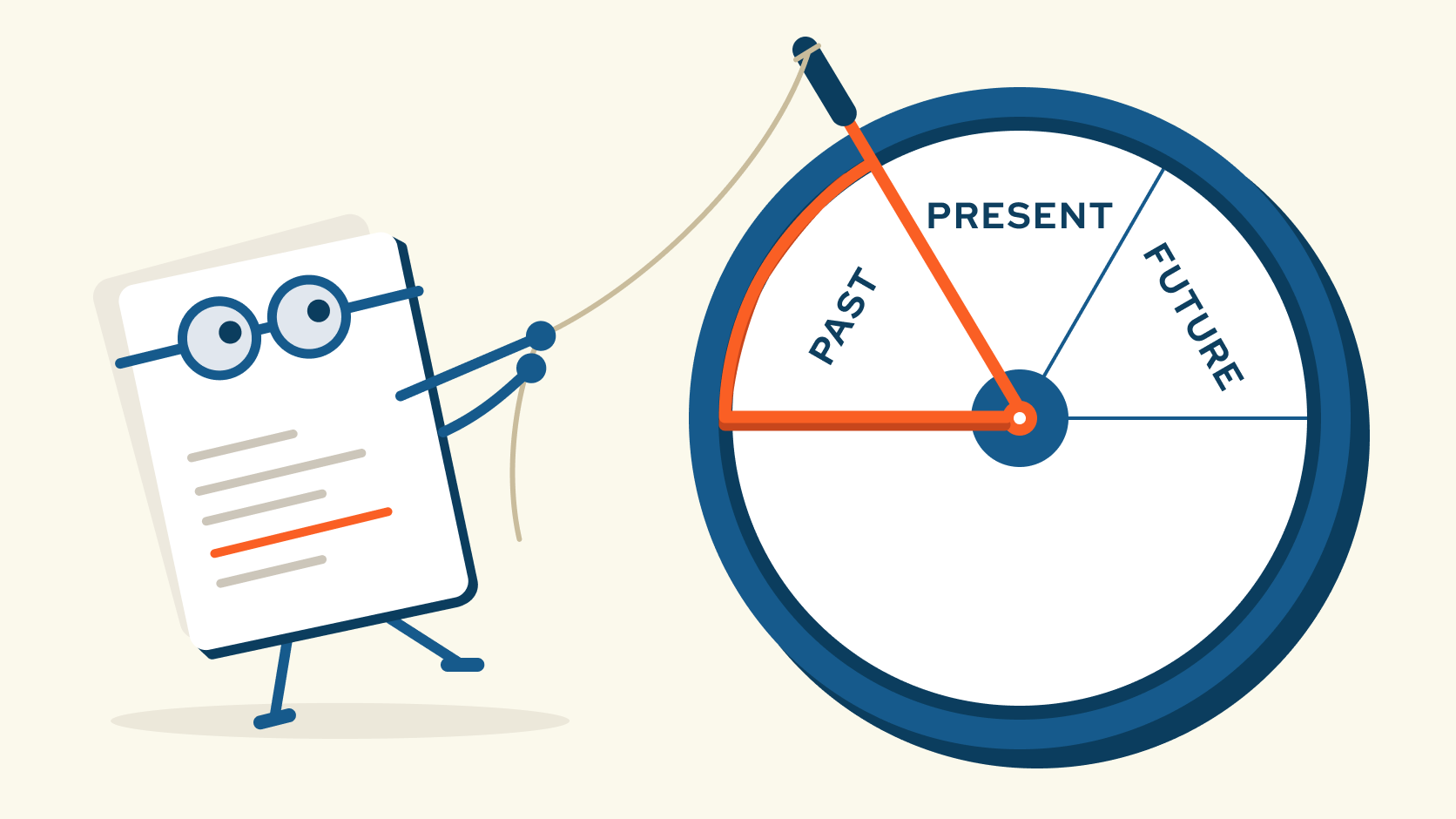
Can Your Logs Take You Back in Time?
A customer’s account changed overnight. An automated process ran, and the result wasn’t what anyone expected. By 9 a.m., the CISO is in the logging suite, working backward.
45 articles from the engineers and strategists doing the work.
A customer’s account changed overnight. An automated process ran, and the result wasn’t what anyone expected. By 9 a.m., the CISO is in the logging suite, working backward.

Let's say you've used an AI coding tool to build a customer portal. It looks good. Customers can log in, find what they need, and get something done without calling your office.

Let's take a really common thing leaders say: "Take care of this customer." You already understand that it comes with limits.

An integration fails on a Tuesday morning. Website inquiries stop reaching the CRM. Nobody notices until a customer calls to ask why no one got back to them.

There’s a narrative taking hold right now that goes something like this: AI can write all the code, you don’t need as many developers, and the ones you do keep just need to be fast with a prompt. Fire your senior engineers. Hire a junior and an AI subscription. Ship ten times faster at a fraction of the cost.

Everyone in the world knows that a picture is worth a million words…but what about an animation? Maybe ten million words? Maybe more.
It All Goes So Well… Until It Doesn’t Every software development project starts as an exciting event for everyone involved. Your client is excited that their vision is becoming a reality. You're excited about new code to write, new problems to solve, and new techniques to try. So why is it that when you show your work or present a direction, those good feelings can just … evaporate?
Oftentimes when building mobile apps, we want to front load data to avoid loading time in between each section of the app. Today, we will look at building a simple singleton cache in Flutter, and how using it can create a better user experience.

It’s pretty easy to have an idea. It’s not so easy to have a good idea, a little harder to communicate that fledgling idea to other people, and even more difficult to expand it into a project or product with a whole team of people. Collaborators misunderstand the purpose, ask questions that uncover new possibilities (or new problems), and bring fresh ideas that—even if they’re brilliant—can add complexity and uncertainty.

Dear Dev, One essay recommended to me early on in my career was “Object Calisthenics” (OC) and since that time I recommend it to every developer I cross paths with. “Object Calisthenics” describes a set of 9 rules credited to Jeff Bays in the book The ThoughtWork Anthology. The goal of these rules is to empower a developer to write cleaner, more maintainable code.There is a lot of value in being familiar with the OC rules, however there is also value in conversation with other developers, and hearing their opinions on the rules. I’d like to share my opinions over the Object Calisthenics ruleset.

Transitioning to a career in Software Development is a lucrative idea to many people. Programming jobs often allow flexibility in their positions such as offering remote work, are highly sought after by companies from any field or sector, and of course, their paychecks are a nice chunk of change. One of the most common modern-day methods of learning programming is via a bootcamp. Their fast paced, full-throttle curriculum and flashy guarantees of “Get a Dev Career in Just Three Months!” make for a very alluring opportunity. After all, most people who are looking to transition into a new career already have a packed schedule, like family obligations and their current job, or a desire to quickly find employment.However, bootcamps are still an investment and come at a cost. Many bootcamps supplement their short amount of time with a hefty price tag, and it can be hard to justify the expense. Even with their accelerated pace of study, bootcamps still take a time commitment that can disrupt your schedule and demand hours of your attention. This may leave you wondering - “Is a bootcamp right for me?”

Just One Feature Let’s say you have a website written in HTML, and you’d like to add a comments section to it and allow for more interactive features in the future. One option is to use a javascript framework like Vue or React. To implement the comments feature, all you need to do is choose a build tool, install a bunch of libraries, set up the project using a project template, and somehow integrate it with your existing website.
Introduction It was Friday afternoon on the last sprint of the quarter. After months of stakeholder meetings, demos, experimentation, and testing, we deployed at 4:00 PM. By 4:05, we wished we hadn’t. An unhandled edge case in a last-minute revision sparked an hours-long production fire that affected promotional payment processing, costing the company tens of thousands of dollars in lost sales from frustrated customers.

From Extended Cognition to Peripheral Cognizance Most of us already extend our thinking into the tools we use. Alarms nudge us awake and remind us to take meds or do chores. We set calendar notifications for meetings we might otherwise forget. GPS recalculates when we miss a turn. These are everyday examples of extended cognition—our minds stretching into our devices.

For decades, we’ve been shackled—quietly and obediently—to operating systems. They promised order, organization, and access. They gave us desktops, dashboards, and docked icons. They also locked us into their structures, demanded obedience to syntax, to sequences of clicks and keystrokes that said: “Use it our way.”
YOUR NEXT DECISION
Tell us what's slowing you down, what you've tried, and what needs to be different. We'll start there.
Come with a problem. You don't need a specification.
The first conversation helps define the next step, whether or not that step is with us.