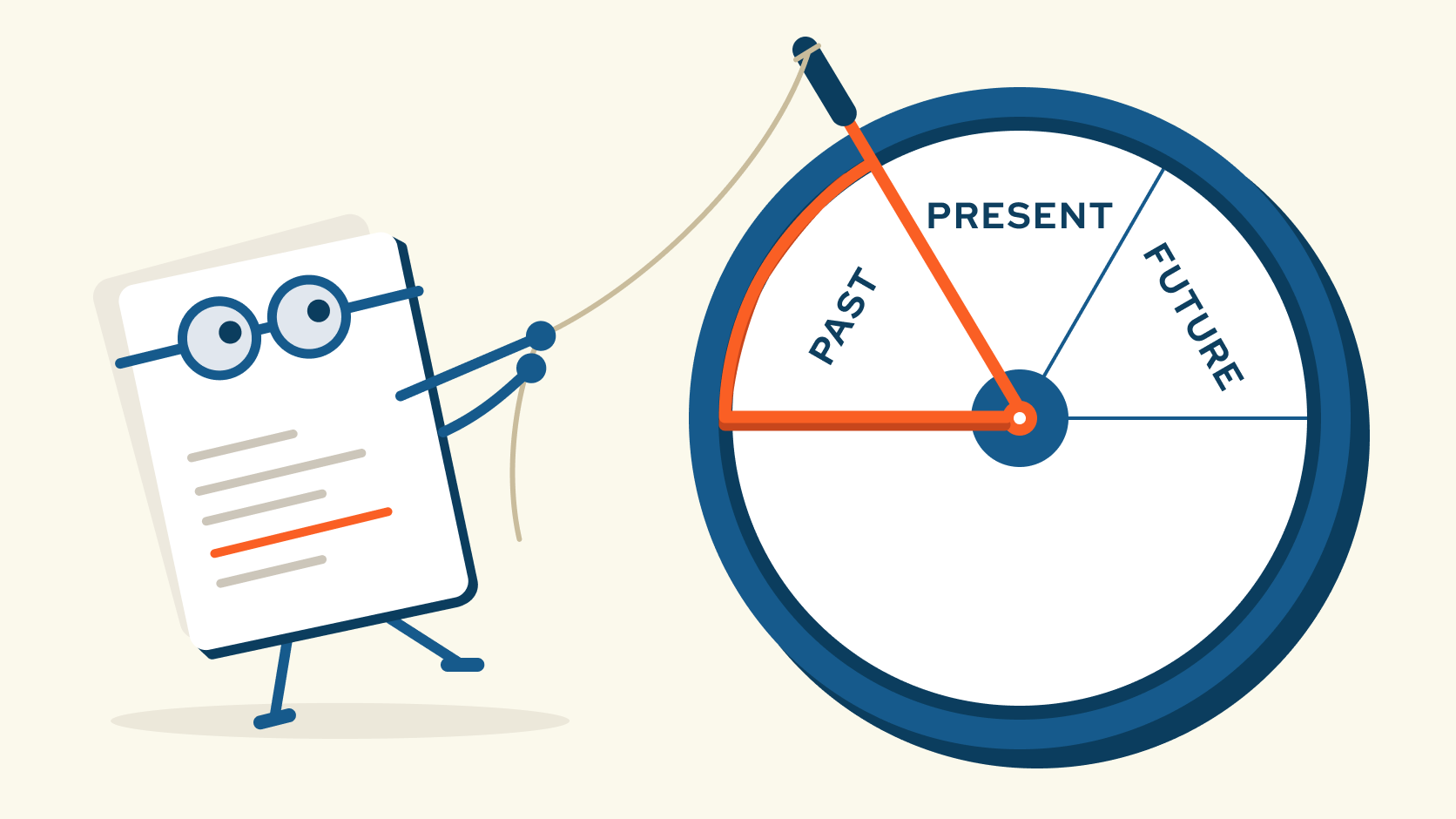
Can Your Logs Take You Back in Time?
A customer’s account changed overnight. An automated process ran, and the result wasn’t what anyone expected. By 9 a.m., the CISO is in the logging suite, working backward.
Blog
352 articles from the engineers and strategists doing the work.
A customer’s account changed overnight. An automated process ran, and the result wasn’t what anyone expected. By 9 a.m., the CISO is in the logging suite, working backward.
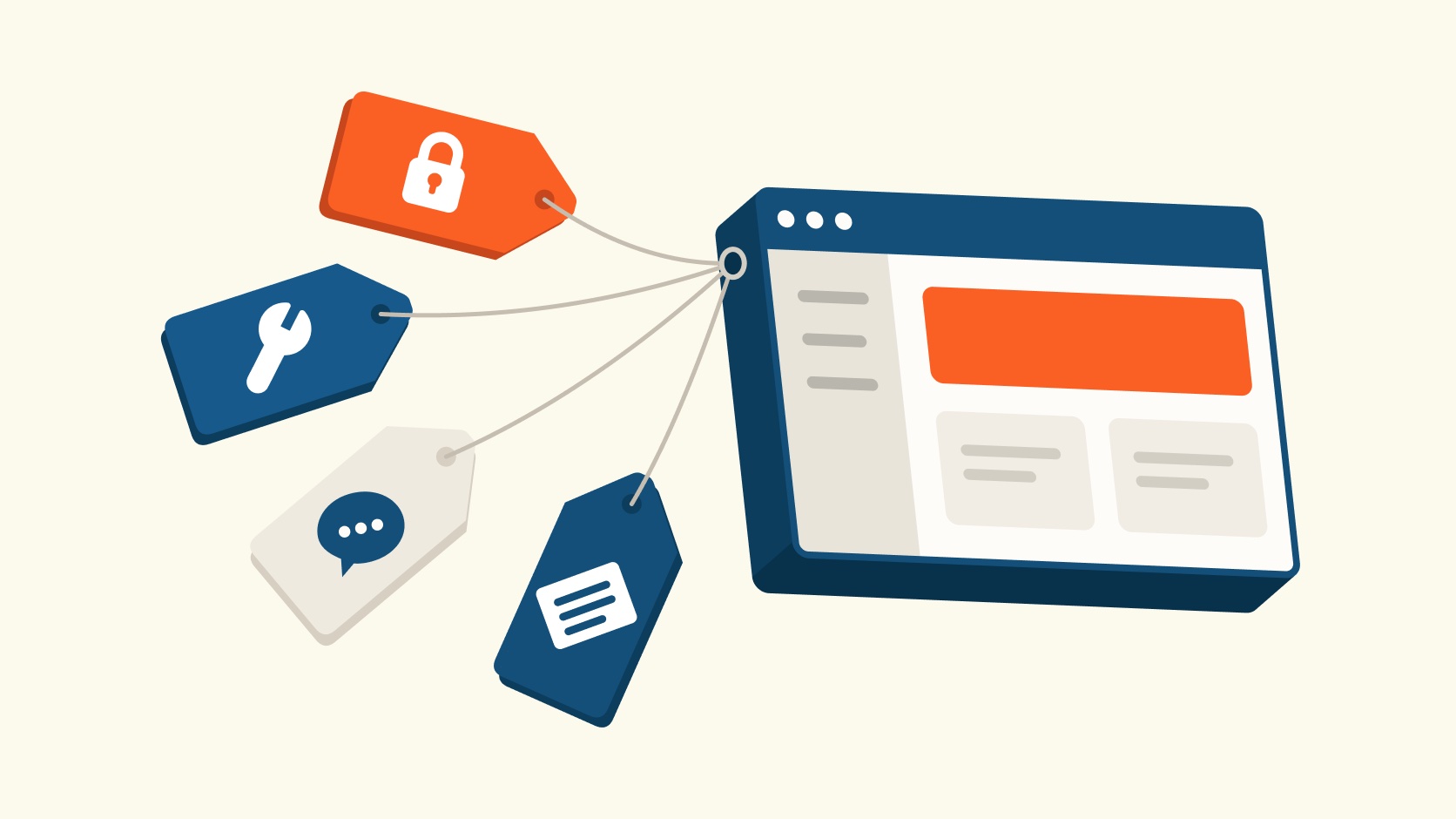
Let's say you've used an AI coding tool to build a customer portal. It looks good. Customers can log in, find what they need, and get something done without calling your office.
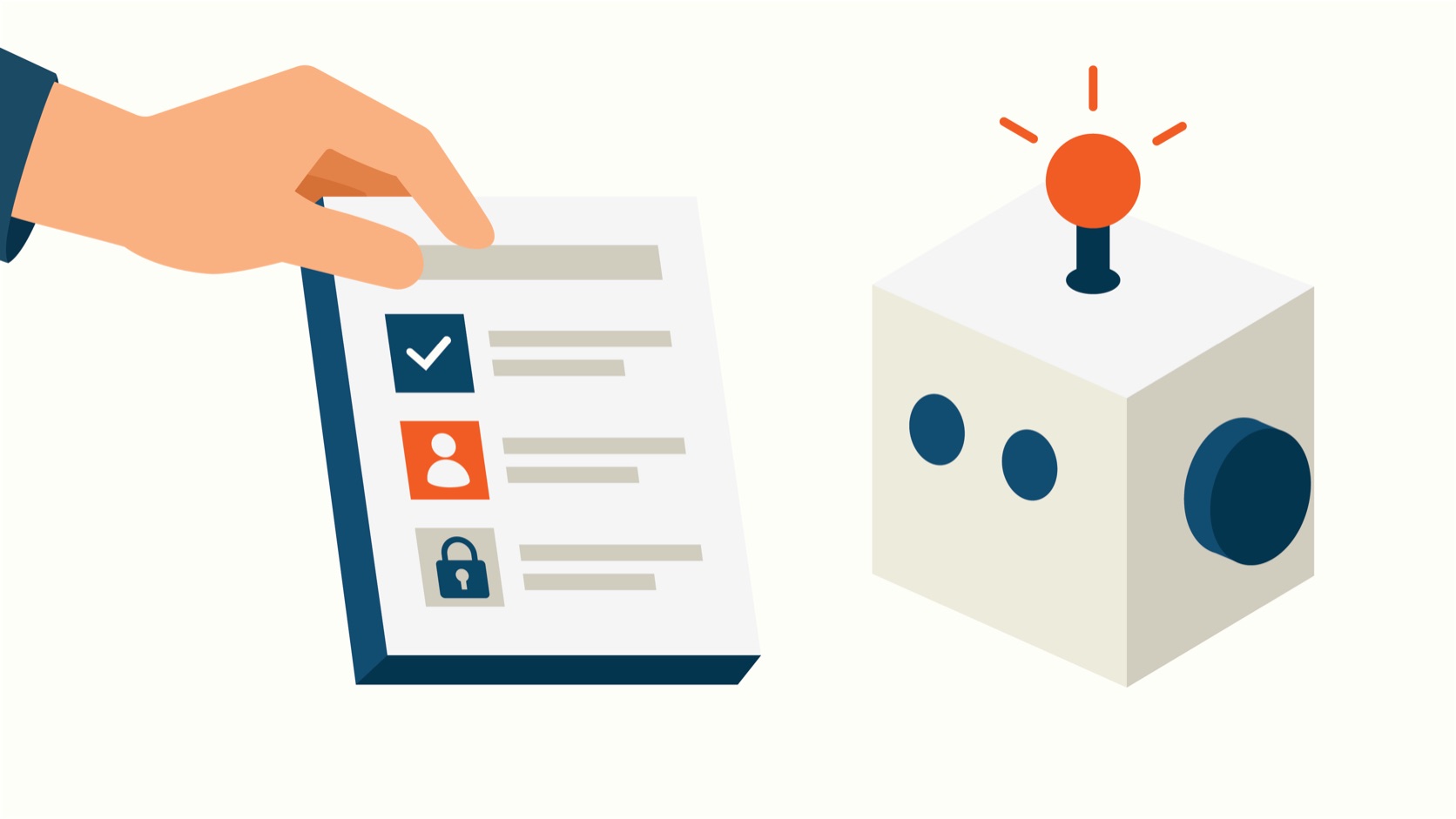
Let's take a really common thing leaders say: "Take care of this customer." You already understand that it comes with limits.

An integration fails on a Tuesday morning. Website inquiries stop reaching the CRM. Nobody notices until a customer calls to ask why no one got back to them.

There’s a narrative taking hold right now that goes something like this: AI can write all the code, you don’t need as many developers, and the ones you do keep just need to be fast with a prompt. Fire your senior engineers. Hire a junior and an AI subscription. Ship ten times faster at a fraction of the cost.

Q1 is when HubSpot Admins lock the decisions that keep Q2 (and the rest of the year!) from turning into damage control. This is the time to decide what the system will do, who owns what, and how you’ll measure success.

As the year wraps itself in twinkling lights and end-of-year countdowns, we find ourselves doing what everyone seems to do in December: reflecting on the moments, milestones, and small miracles that shaped our year.
Everyone in the world knows that a picture is worth a million words…but what about an animation? Maybe ten million words? Maybe more.
It All Goes So Well… Until It Doesn’t Every software development project starts as an exciting event for everyone involved. Your client is excited that their vision is becoming a reality. You're excited about new code to write, new problems to solve, and new techniques to try. So why is it that when you show your work or present a direction, those good feelings can just … evaporate?

You already know that HubSpot is the best tool to run your business smoothly and help it grow. You’re ready to get started with implementing best practices, but where to begin?

The Paradox of Good Design Good design often goes unnoticed. Think about walking up to a door. If it opens smoothly as you pull the handle, you barely think about it. You just walk through. But if the design is unclear and you push when you should have pulled, suddenly all your attention shifts to the door. The experience that should have been effortless becomes awkward and frustrating. The best design moments rarely announce themselves—they simply work. When they don’t, you notice immediately. That’s the paradox of good design. When it works, it feels invisible. When it doesn’t, it stands in your way.

At Clevyr, we love a good theme—and when October rolls around, it’s time for spooky stories, cult classics, and family favorites that make this season a little more magical (or horrifying, depending on your taste).
Oftentimes when building mobile apps, we want to front load data to avoid loading time in between each section of the app. Today, we will look at building a simple singleton cache in Flutter, and how using it can create a better user experience.

Starting a business feels like standing at the edge of a trailhead. You’re hopeful, maybe a little weary, but determined to see where the path will take you. Every decision matters more than it should, especially at the beginning. The website you choose is not just about design or code—it becomes the foundation of your presence, your credibility, and in many ways, your confidence. And so the question arises: when you’re just starting out, should you build your website on WordPress, or should you begin with HubSpot?

Why Strategic Account Management Takes Internal Work When people think of account managers, they usually picture the external side of the job—calls with clients, progress reports, renewal conversations. But the real magic happens out of sight. The best account managers are master coordinators inside their own organizations, making sure every team that touches a client is moving in the same direction.
YOUR NEXT DECISION
Tell us what's slowing you down, what you've tried, and what needs to be different. We'll start there.
Come with a problem. You don't need a specification.
The first conversation helps define the next step, whether or not that step is with us.