The Paradox of Good Design Good design often goes unnoticed. Think about walking up to a door. If it opens smoothly as you pull the handle, you barely think about it. You just walk through. But if the design is unclear and you push when you should have pulled, suddenly all your attention shifts to the door. The experience that should have been effortless becomes awkward and frustrating. The best design moments rarely announce themselves—they simply work. When they don’t, you notice immediately. That’s the paradox of good design. When it works, it feels invisible. When it doesn’t, it stands in your way.
Introduction Your website isn’t just a digital brochure anymore—it’s your most critical business system. In 2025, the best websites operate as digital headquarters: driving revenue, automating operations, personalizing experiences, and empowering customers and teams alike.
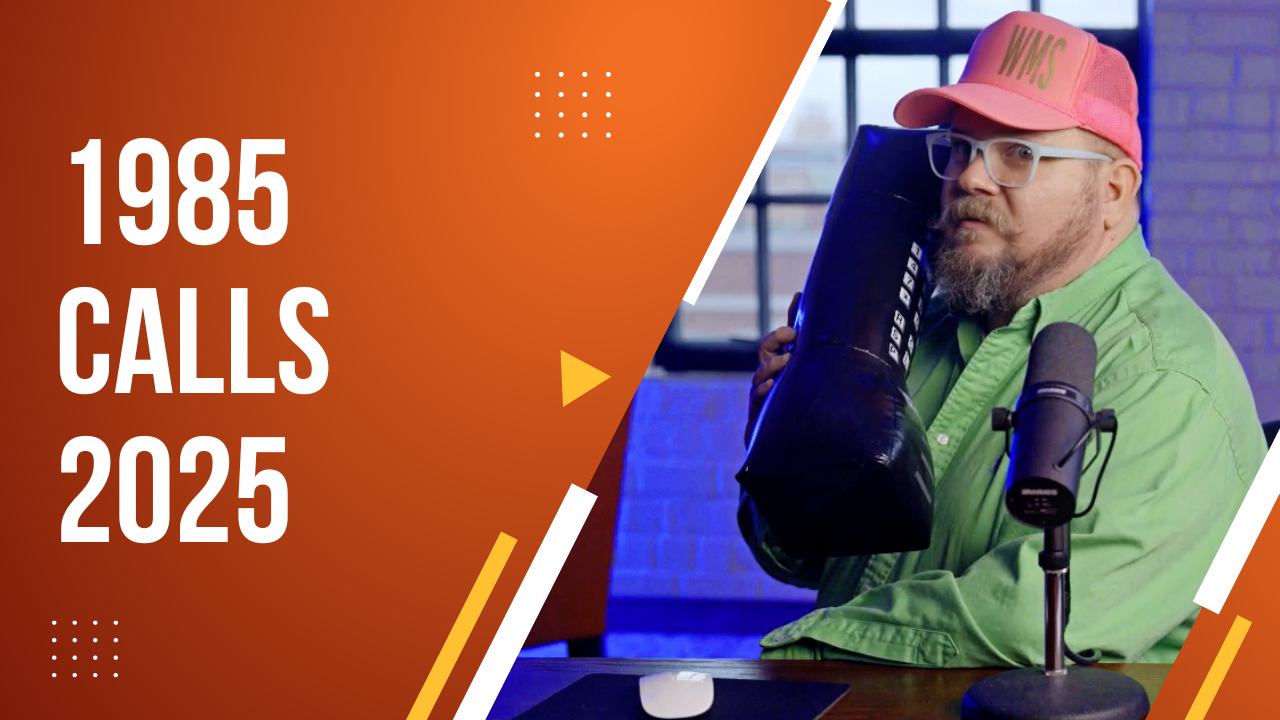
So picture in your mind, a person using their smartphone. Okay. Do you have that image locked in now? Tell me, are they holding their phone like this? Or are they holding it like this? Of course it's like this. It's not like this it's like this because who actually talks on the phone anymore. The average American in the United States spends 26 minutes per day texting, and just six minutes talking on the phone and it's not just young people. My mother-in-law sends us group texts all the time and she's more fluent in emoji than I am. So what does this mean for B2B business owners, entrepreneurs and managers? Well, it means a lot of things, but we're gonna talk about one important one and I'm also gonna show you an easy and free test to make sure that you're not missing out on new customers that are ready to buy what you're selling.
Your small business website should not be a vanity project. If your small business website doesn't attract new customers, then why do you even have a website? Seriously! What is the point of having a website if not to generate new customers?
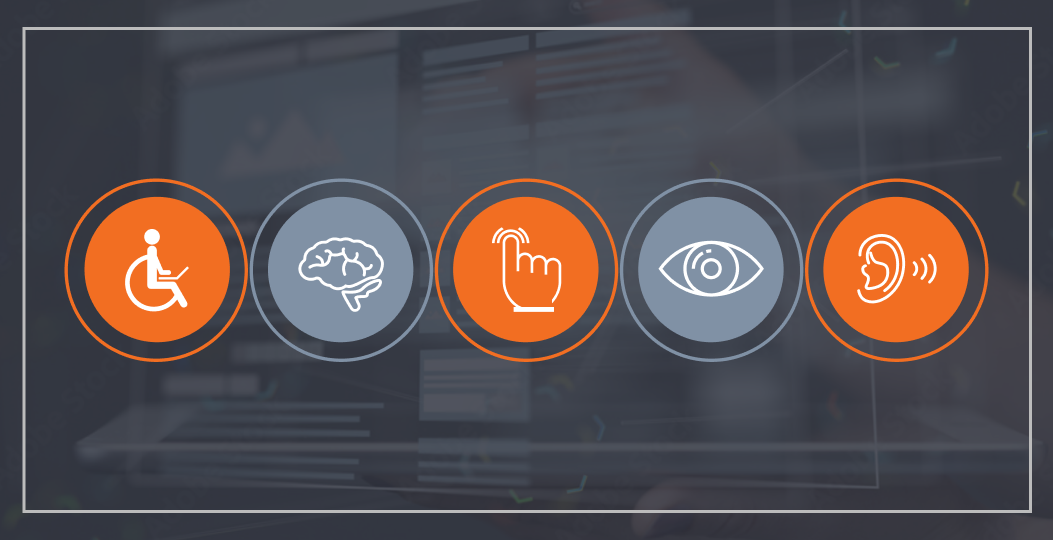
Web accessibility standards ensure that your website is usable to individuals of varying abilities and circumstances. These can include people with different visual abilities, motor skills, hearing capacities, and internet connection speeds.
We all know how important a website is to a business’s online strategy. Almost every business, whether B2B, B2C, non-profit, local or global needs an online presence to reach buyers in the internet age. A company’s website is its virtual storefront.
If you have ever built a company website, you may still suffer from flashbacks and residual anxiety - most website design projects are a nightmare, take longer than expected, and leave everyone wondering if all that effort was worth it.
Anyone with a computer can claim to be a web designer, and many do. I've met many business owners who hire-in an inexperienced person to create and manage the website and social media presence. Though cost-effective, this isn't always the best choice.
Creating copy that converts isn’t always easy, especially when you’re just starting out. In fact, when you’re just starting out, creating a piece of content, whether it is blog content or content for your email list, can be really difficult.
Have you thought about giving your website a facelift? Perhaps you envision a flat, web 2.0, icon-rich website, because it’s in style right now and you want to have the best website design.
If you run a small business your web design is probably one of the most important parts of your digital marketing and PR efforts: it is the face of your company, your 24/7 salesperson, maybe even your main sales point.
Let’s play a quick game of “Would you Rather?” Would you rather have an ugly website or a bad website? The two are not synonymous. Would you rather invest in a trendy and good looking creative website or a website that generates leads?
There is a Joe Chernov quote we live by here at BridgeRev: "Good marketing makes the company look smart. Great marketing makes the customer feel smart."