web-designmarketing-salsavideobridgerev
Attract More Clients by Never Redesigning Your Website Ever Again
Transcript
Hi, I'm Jake Fisher, and this is marketing salsa class... getting serious...
Thinking about a new website for your business. You sure, I mean, developing a new company website is like constructing a new building.
There's a lot of planning, there's blueprints, there's contractors, there's a guy standing off to the side that doesn't really seem to be doing anything. He's the manager.
Three rounds of revisions to the blueprints, there are subcontractors who always seem to look stoned, there are delays. And then finally, after many months, and 1000s, and 1000s of dollars in sunk costs, you open the doors to your glorious new website, and then you hope and pray that the new design is functional.
And everything works like it's supposed to, I implore you to stop treating your company website like a physical object.
Because it's not. It's not because it's not, it's not even constrained by the physical world.
I mean, it's online, it's a virtual. So let's stop wasting time and money by thinking about it as a physical space, like an office building and start thinking of it as a process because that's what it is. It's a process that can be measured, improved, personalized, and optimized.
Think about it, doing it the old way, treating your site like a building is really risky. You're spending a lot of money and time making changes, without any actual user feedback. You don't know for sure how the new design will affect how people act on your site.
What if the new site doesn't work as well as the old one? Just because it's newer and prettier?
Doesn't mean it's going to have a positive effect on your business? Why would you make a big investment of time and money into something that's unproven? Fortunately, there is a better way. It's incremental change with measurement along the way.
It's like renovating your website, one little piece at a time you start with one change. Why not change the layout of your site? So it has a lead generating form at the top of every page, then measure what happens for a month? Did you get more leads from your website?
Did you sell more after the change?
My educated guess is that you probably will, but the only way to find out is to try it.
And then what do you do? You make another change, wait and measure one more marketing salsa. Then sign up, click on subscribe or sign up or something it's gonna be maybe up there might be over here or maybe I'm not sure it's gonna be somewhere around in here. Click on subscribe or sign up and we'll send you more marketing salsa.
I'm Jake Fisher and this is of course marketing salsa.
Keep reading

Nov 07, 2025
The Invisibility of Good Design
The Paradox of Good Design Good design often goes unnoticed. Think about walking up to a door. If it opens smoothly as you pull the handle, you barely think about it. You just walk through. But if the design is unclear and you push when you should have pulled, suddenly all your attention shifts to the door. The experience that should have been effortless becomes awkward and frustrating. The best design moments rarely announce themselves—they simply work. When they don’t, you notice immediately. That’s the paradox of good design. When it works, it feels invisible. When it doesn’t, it stands in your way.
Jun 06, 2025
BridgeRev Joins Forces with Clevyr, Inc. to Lead the Future of CRM Strategy and HubSpot Innovation
FOR IMMEDIATE RELEASE BridgeRev Joins Forces with Clevyr, Inc. to Lead the Future of CRM Strategy and HubSpot Innovation
Mar 31, 2025
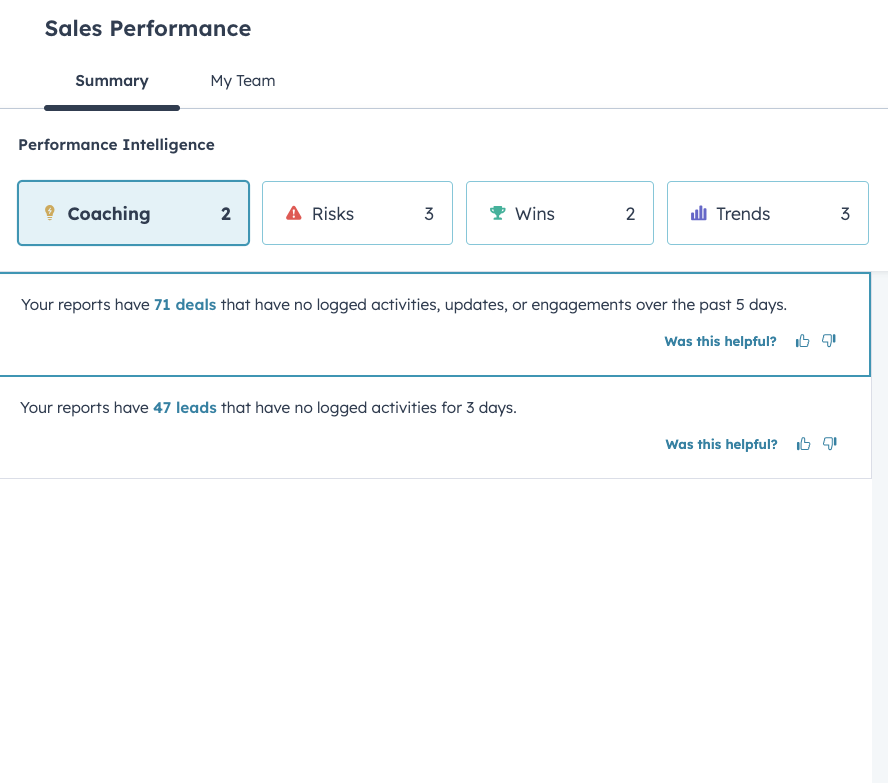
How HubSpot Workspaces and AI Agents Are Reshaping GTM Teams
Go-to-market (GTM) teams have always struggled with one core issue: alignment. Sales, marketing, customer success, and service are often operating in separate tools, speaking different languages, and chasing different KPIs. This misalignment slows down growth, increases friction, and makes it harder to serve customers well.