It’s pretty easy to have an idea. It’s not so easy to have a good idea, a little harder to communicate that fledgling idea to other people, and even more difficult to expand it into a project or product with a whole team of people. Collaborators misunderstand the purpose, ask questions that uncover new possibilities (or new problems), and bring fresh ideas that—even if they’re brilliant—can add complexity and uncertainty.
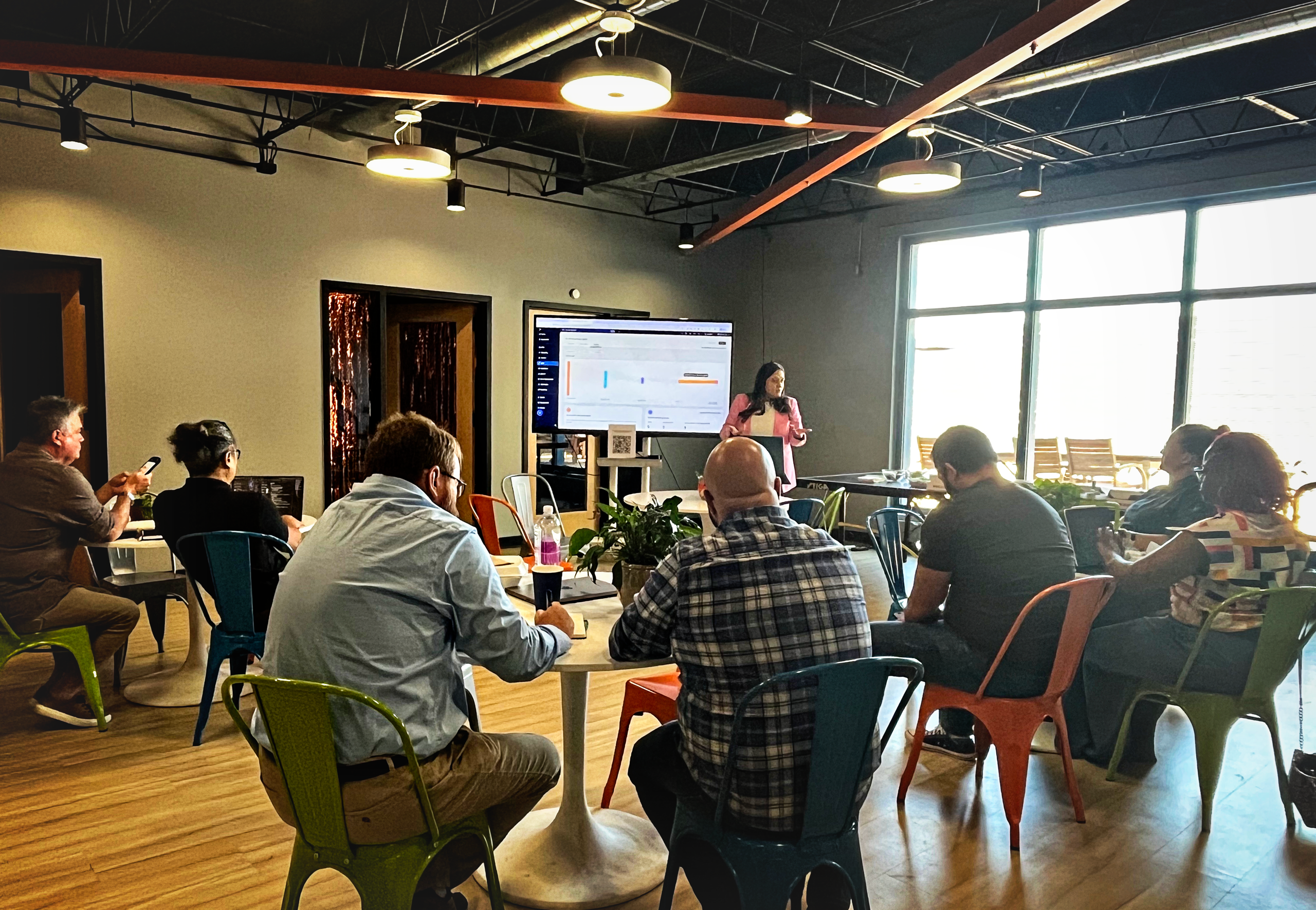
If you missed the latest Oklahoma City HubSpot User Group (HUG), here’s what you missed. We gathered to dive into HubSpot’s 2025 updates—and the theme was clear: trust. For years, many teams have struggled to fully believe what’s inside their CRM. Outdated records, duplicate contacts, and inaccurate sales notes have made it hard to treat the CRM as the single source of truth it’s meant to be.
Every year, HubSpot releases hundreds of updates. And every year, the conversation quickly narrows to the flashiest, most talked-about changes—AI Agents, predictive tools, and automated workflows. And yes, those are exciting, but if you’re feeling hesitant to fully embrace AI today, you’re not alone. The sheer scale of updates can feel overwhelming. The good news is, there’s plenty to explore beyond AI, and even if you’re not ready to lean in fully, you can still use these tools to move faster, smarter, and more purposefully.
Dear Dev, One essay recommended to me early on in my career was “Object Calisthenics” (OC) and since that time I recommend it to every developer I cross paths with. “Object Calisthenics” describes a set of 9 rules credited to Jeff Bays in the book The ThoughtWork Anthology. The goal of these rules is to empower a developer to write cleaner, more maintainable code.There is a lot of value in being familiar with the OC rules, however there is also value in conversation with other developers, and hearing their opinions on the rules. I’d like to share my opinions over the Object Calisthenics ruleset.
Transitioning to a career in Software Development is a lucrative idea to many people. Programming jobs often allow flexibility in their positions such as offering remote work, are highly sought after by companies from any field or sector, and of course, their paychecks are a nice chunk of change. One of the most common modern-day methods of learning programming is via a bootcamp. Their fast paced, full-throttle curriculum and flashy guarantees of “Get a Dev Career in Just Three Months!” make for a very alluring opportunity. After all, most people who are looking to transition into a new career already have a packed schedule, like family obligations and their current job, or a desire to quickly find employment.However, bootcamps are still an investment and come at a cost. Many bootcamps supplement their short amount of time with a hefty price tag, and it can be hard to justify the expense. Even with their accelerated pace of study, bootcamps still take a time commitment that can disrupt your schedule and demand hours of your attention. This may leave you wondering - “Is a bootcamp right for me?”
The Digital Backpack Refresh Just like students start the school year with fresh notebooks and sharpened pencils, designers should periodically update their “digital backpacks.” The design industry moves quickly, and sticking with outdated software can be like showing up to class with last year’s textbooks. Staying relevant in this ever-changing landscape is essential, and designers who consistently learn and adopt new tools signal adaptability and forward thinking to employers and clients.
Just One Feature Let’s say you have a website written in HTML, and you’d like to add a comments section to it and allow for more interactive features in the future. One option is to use a javascript framework like Vue or React. To implement the comments feature, all you need to do is choose a build tool, install a bunch of libraries, set up the project using a project template, and somehow integrate it with your existing website.
Introduction It was Friday afternoon on the last sprint of the quarter. After months of stakeholder meetings, demos, experimentation, and testing, we deployed at 4:00 PM. By 4:05, we wished we hadn’t. An unhandled edge case in a last-minute revision sparked an hours-long production fire that affected promotional payment processing, costing the company tens of thousands of dollars in lost sales from frustrated customers.
Let’s talk about the elephant in the server room: those legacy systems quietly running critical parts of your business are becoming serious security liabilities.
This document outlines several key types of specialized AI models in use today. These architectures power everything from chatbots to autonomous vehicles, from image generation to speech recognition. Each entry includes an explanation, a breakdown of the model's key steps, and a validation note for real-world usage.
As a hybrid (mostly remote) team, we don’t gather around a literal water cooler much these days. Instead, our “off-topic” moments live in our hobby Slack channels: pictures of our pets and plants, the results of culinary experiments, random hobbies, and travel photos. We share movies, tv, and games, but the best conversations and the spiciest takes are in our music channel.
From Extended Cognition to Peripheral Cognizance Most of us already extend our thinking into the tools we use. Alarms nudge us awake and remind us to take meds or do chores. We set calendar notifications for meetings we might otherwise forget. GPS recalculates when we miss a turn. These are everyday examples of extended cognition—our minds stretching into our devices.
At Clevyr, we’ve always been about building smart, human-centered systems that make work easier and businesses stronger. That’s why we’re excited to share some big news: we’ve officially launched our CRM Strategies division—and we’re ready to help even more companies get the most out of HubSpot.
Since three guys started an Oklahoma City tech company in 2009, Clevyr has been guided by honesty, transparency, and commitment to community – from our employees and clients to the local tech scene, our city, and beyond. We recognize that we’re a small part of a larger history that deserves this pause.