For decades, we’ve been shackled—quietly and obediently—to operating systems. They promised order, organization, and access. They gave us desktops, dashboards, and docked icons. They also locked us into their structures, demanded obedience to syntax, to sequences of clicks and keystrokes that said: “Use it our way.”
Clevyr, Inc., a premier custom software development firm based in Oklahoma City, is proud to announce the launch of its CRM Strategies division, further solidifying its role as a HubSpot Diamond Solutions Partner and a leader in intelligent digital transformation.
From Automation to Collaboration In the evolving landscape of artificial intelligence, autonomous AI agents are generating significant attention. While early AI applications focused on automating repetitive tasks, the current trajectory emphasizes the creation of synergistic partnerships between humans and Agentic AI systems—AI that not only executes commands but also thinks and acts independently. This collaborative approach, often described as human-in-the-loop, leverages the unique strengths of both parties: human creativity, empathy, and ethical judgment, combined with AI’s unparalleled data processing power and operational efficiency.
Prologue: CTRL+ALT+Beginnings I am a proud, card-carrying member of the Oregon Trail generation, aka the “Xennials.” Navigating the freshly forged trails from the analog world into the digital, my formative years were a heady mix of floppy disks, batch files, and wide-eyed wonder. I was fortunate to grow up in a school system that was embracing the advent of the personal computer. When the elementary school got a batch of Commodore PET PCs I begged to go play with them at each opportunity. They were way more interesting to me than crayons or clay.
When we talk about security in software development or system architecture, the conversation usually centers around firewalls, encryption, or penetration tests.
Ah, the age-old question that looms large for every developer staring down a legacy codebase: to rewrite or to refactor? It's a choice that can lead to triumph, or a lot of extra coffee and regret. Let's unpack the nuances of this into this critical crossroads of software development.
In a previous article, I wrote about how separating Flutter views into distinct layers helps us create more robust and joyful mobile apps. If you missed that post, you can read it here: A Clever Way to Structure Flutter Apps. Today, I’ll build on that by walking through how I handle forms.
What is Software Discovery? Product discovery is a challenging but vital first step in the software lifecycle. You can compare a discovery study to surveying land and drawing a blueprint before a building project. While it’s possible to dig a hole and pour a foundation without a plan, the building isn’t likely to go very well.
Laravel provides some helpful documentation for testing that your file uploads and downloads work as expected. But their examples test at a shallow level, in the name of test performance and simplicity. The documented upload tests upload no real content; the download tests only check headers or check for the presence of strings. Thorough testing often requires testing at a deeper level - ensuring the file is parsed properly by your backend, or that you are generating a valid file at all. This guide covers most of those common use cases. Note that Pest is used for the examples here, but the approaches should work just as well for PHPUnit.
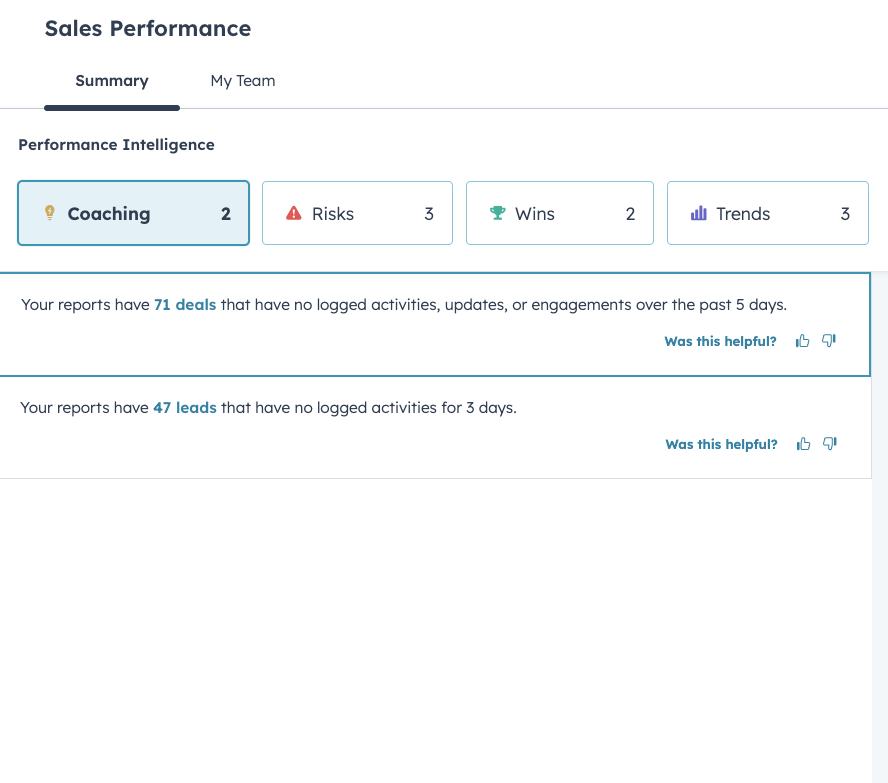
Go-to-market (GTM) teams have always struggled with one core issue: alignment. Sales, marketing, customer success, and service are often operating in separate tools, speaking different languages, and chasing different KPIs. This misalignment slows down growth, increases friction, and makes it harder to serve customers well.
What do jazz improvisation, whiteboard sketches, and fast-moving startups have in common? They’re all driven by feel, not rigid structure. In a world where agile ceremonies and project management tools often dominate how we build software, there’s a growing space for something looser, faster, and more intuitive: vibe coding.