hubspotrevenue-operationsbridgerev
RevOps Prioritization: Focusing on the Highest Impact Initiatives for Sustainable Growth
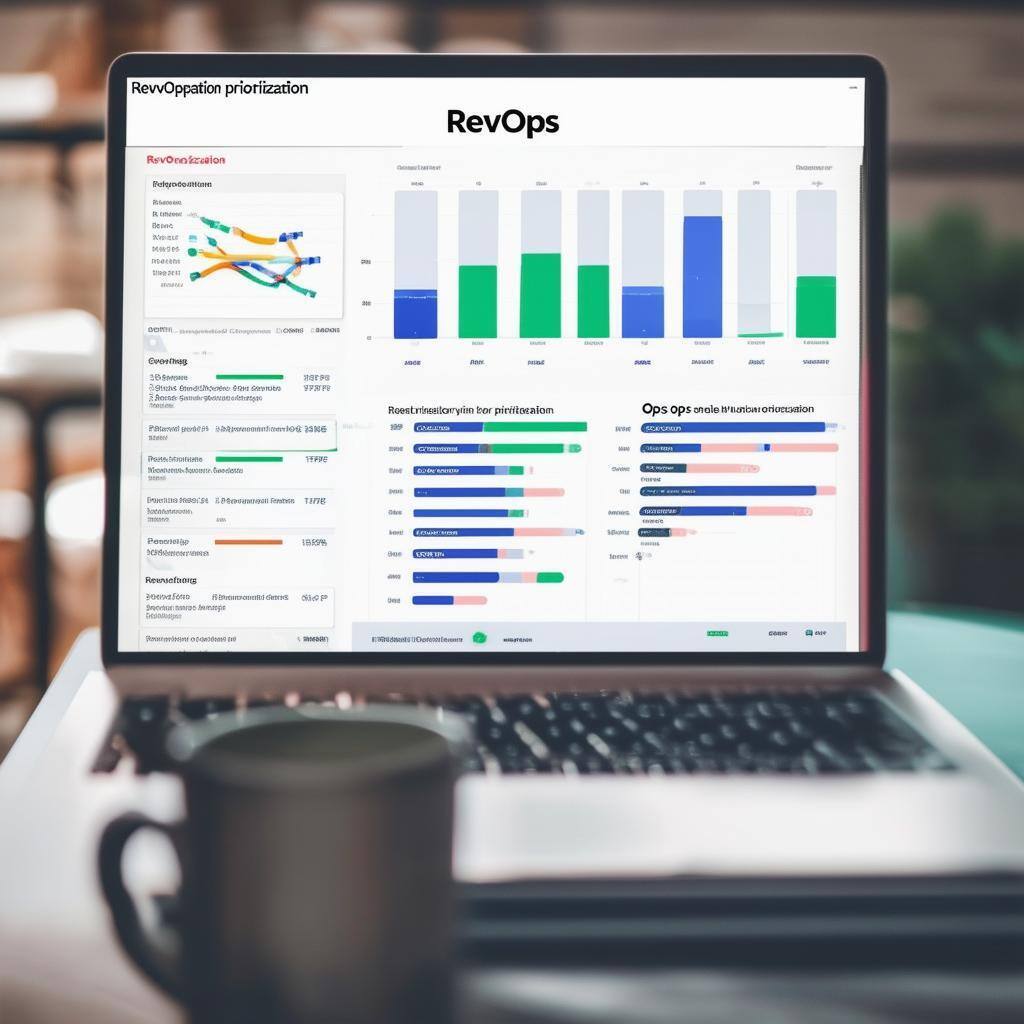
Understanding RevOps Prioritization
At its core, RevOps prioritization involves focusing on the activities and strategies that deliver the most significant return on investment. It requires a structured approach to assess where your teams, time, and resources will be most effectively used. Here’s why it’s so critical:
- Maximizes ROI: By focusing on the initiatives that directly contribute to revenue, businesses can achieve faster growth without wasting resources on low-impact activities.
- Improves Efficiency: Prioritizing high-value activities streamlines operations and helps teams work more efficiently, eliminating unnecessary tasks or distractions.
- Drives Alignment Across Teams: Prioritization helps all teams—sales, marketing, and service—focus on shared revenue goals, improving collaboration and reducing operational silos.
RevOps Assessment Banner
How to Prioritize High-Impact Initiatives in RevOps
To focus on the most impactful initiatives, businesses need a clear framework for evaluating their strategies and operations. Here are the key steps to successfully prioritize in RevOps:
1. Leverage Data for Informed Decision-Making
RevOps is data-driven. Use your data to identify trends, performance gaps, and areas where you can achieve the greatest results. Key tools include:
- HubSpot’s CRM: HubSpot provides a unified data platform that tracks customer interactions across all teams. This centralization allows for data-driven prioritization, helping you focus on activities that will move the needle.
- KPIs and Metrics: Track key performance indicators (KPIs) such as lead-to-customer conversion rates, average deal size, and customer lifetime value. Prioritize initiatives that will directly improve these metrics.
2. Focus on Revenue-Generating Activities
Not all tasks have an equal impact on revenue. Identify and prioritize the initiatives that are most closely tied to revenue growth:
- Sales Acceleration: Prioritize strategies that speed up the sales cycle, such as lead nurturing or improving deal velocity. These are directly tied to faster revenue generation.
- Customer Retention: In addition to new customer acquisition, focus on initiatives that improve retention, such as enhancing customer service or upselling opportunities.
3. Automate Low-Impact Tasks
Automation is key to freeing up time for high-priority initiatives. By automating repetitive or low-impact tasks, your teams can focus their attention on strategic projects:
- HubSpot’s Automation Tools: Use HubSpot’s workflow automation to handle routine tasks like email follow-ups, lead scoring, and task assignments. This ensures that your teams can spend more time on activities that drive revenue.
4. Align Teams Around Shared Priorities
RevOps is about team alignment. To ensure everyone is focusing on the highest-impact initiatives:
- Regular Strategy Sessions: Hold regular cross-team meetings to review priorities and performance data. This helps all departments stay aligned and focused on revenue-driving activities.
- Shared KPIs: Establish shared KPIs that all teams contribute to, creating a unified approach to success. For example, aligning marketing and sales around lead conversion targets ensures both teams work toward the same outcome.
Examples of High-Impact RevOps Initiatives
Every business will have unique high-impact initiatives based on its goals, but here are a few common examples across industries:
- Lead Qualification and Segmentation: Focus on refining your lead scoring and qualification process to prioritize the highest-value leads.
- Sales Pipeline Optimization: Analyze your sales pipeline to identify where deals are getting stuck, and implement strategies to accelerate progress.
- Customer Experience Improvement: Invest in customer experience initiatives to improve retention, reduce churn, and increase customer lifetime value.
Prioritize to Drive RevOps Success
The key to successful RevOps is focusing on what matters most. By leveraging data, automating low-value tasks, and aligning your teams, you can prioritize the initiatives that drive the highest impact on revenue growth. HubSpot’s tools, including its CRM and automation features, provide the foundation to help you focus on high-priority activities and optimize your operations for long-term success.
Keep reading

Oct 13, 2026
Software in a Service: Taking Responsibility for What Happens Next
An integration fails on a Tuesday morning. Website inquiries stop reaching the CRM. Nobody notices until a customer calls to ask why no one got back to them.

Feb 03, 2026
What HubSpot Admins Should Focus on in Q1
Q1 is when HubSpot Admins lock the decisions that keep Q2 (and the rest of the year!) from turning into damage control. This is the time to decide what the system will do, who owns what, and how you’ll measure success.

Nov 07, 2025
The Simple Guide to HubSpot Agency Onboarding
You already know that HubSpot is the best tool to run your business smoothly and help it grow. You’re ready to get started with implementing best practices, but where to begin?