74 articles from the engineers and strategists doing the work.

Feb 06, 2025
A Customer Relationship Management (CRM) system is one of the most important investments a business can make. It streamlines sales, marketing, and customer service operations, improves data management, and enhances customer relationships. However, simply implementing a CRM is not enough—businesses need to measure its return on investment (ROI) to ensure it is delivering real value. Evaluating CRM ROI requires looking beyond just cost savings. Companies must track key performance indicators (KPIs) that reflect improvements in revenue generation, efficiency, customer satisfaction, and retention. This guide breaks down the essential metrics for measuring CRM ROI, how to calculate it, and what businesses can do to maximize the impact of their CRM investment.
crmhubspot

Jan 31, 2025
A Customer Relationship Management (CRM) system is only as powerful as the data within it. Poor data quality—whether due to duplicate records, outdated contact information, or inconsistent formatting—can lead to misinformed decisions, wasted marketing spend, and lost sales opportunities. Building a data-first culture ensures that CRM data is accurate, accessible, and actionable. When teams prioritize data hygiene and follow clear data policies, businesses can unlock the full potential of their CRM, leading to better customer insights, improved efficiency, and stronger decision-making. This guide explores the principles of a data-first culture, why it matters, and how businesses can implement data hygiene best practices, governance policies, and automation tools—including HubSpot’s Data Sync—to maintain a clean and reliable CRM.
crmhubspot

Jan 30, 2025
Implementing a Customer Relationship Management (CRM) system is a major step toward improving sales, marketing, and customer service efficiency. However, even the most powerful CRM—such as HubSpot—is only as effective as its adoption across teams. Many organizations struggle with low CRM engagement due to: Lack of training – Teams don’t understand how to use the system effectively. Poor user experience – The CRM feels complex, unintuitive, or time-consuming. No clear incentives – Employees don’t see how using the CRM benefits them directly. Driving CRM adoption requires a strategic approach that includes onboarding, training, and ongoing engagement. In this guide, we’ll cover proven strategies to ensure CRM adoption across sales, marketing, and service teams—leading to better data, higher efficiency, and a stronger return on investment.
crmhubspot

Jan 30, 2025
A Customer Relationship Management (CRM) system is one of the most powerful tools a business can use to manage customer interactions, track sales, and optimize marketing efforts. However, many companies struggle with CRM adoption because their systems are overcomplicated, unintuitive, or not designed with the user in mind. A user-centric CRM design prioritizes ease of use, efficiency, and accessibility—allowing teams to seamlessly integrate the system into their daily workflows. When a CRM is intuitive and aligned with how users actually work, engagement increases, data accuracy improves, and productivity soars. This guide explores the principles of user-centric CRM design, why it matters, and how businesses can apply these best practices to maximize adoption and efficiency in HubSpot CRM.
crmhubspot

Jan 10, 2025
IPv6 will turn 30 in December of this year. The realization that while some companies are removing IPv6 support, the federal government is requiring its agencies to to move 80% of their IP-enabled assets to it this year made us ponder the mysterious ways of digital trends. Some move at light-speed, while others linger for decades without much change. We asked our engineers to give us a few of their predictions for digital trends in 2025.
culturedevelopment

Dec 27, 2024
A fully functional CRM should be more than a standalone database of leads and contacts. It should operate as the central nervous system of your business—connecting marketing automation platforms, sales tools, and support systems to create a single source of truth. However, as discussed in our Why CRM Implementations Fail post, one of the most overlooked pitfalls is an inadequate integration strategy. Without smooth data flow and reliable synchronization, even the best CRM can fail to deliver meaningful insights and user adoption can drop. In this article, we’ll explore how to seamlessly connect your CRM with key marketing and sales tools. From common pitfalls and best practices to security considerations, we’ll give you a roadmap for making your CRM a cohesive part of a larger technology ecosystem.
crmhubspotbridgerevcustom-integrations

Dec 27, 2024
After investing in a CRM platform, the ultimate measure of success isn’t just the software’s features—it’s how consistently and effectively your team uses them. User adoption often emerges as the top reason CRM implementations fail, which we explored in detail in our Why CRM Implementations Fail post. When employees don’t receive the right training or perceive the CRM as cumbersome, adoption rates plummet, and the platform’s potential ROI goes unrealized. In this guide, we’ll focus on practical strategies to maximize CRM user adoption. From designing engaging training sessions to establishing ongoing support and incentives, these best practices will ensure your CRM becomes an indispensable tool for everyone—from entry-level staff to top executives.
crmhubspot

Dec 27, 2024
Implementing a Customer Relationship Management (CRM) platform is supposed to streamline processes, improve customer engagement, and drive revenue. However, as our Why CRM Implementations Fail post highlights, many organizations struggle with partial adoption or outright abandonment of their CRM due to poor planning, inadequate training, or mismatched expectations. If you’ve already deployed a CRM and are experiencing low usage, data inconsistencies, or frustrated end users, don’t despair. In this guide, we’ll walk through a practical, step-by-step process to help you salvage a failing CRM initiative—and ultimately transform it into a powerful, business-critical tool.
crmhubspotimplementationhubspot-implementation

Dec 27, 2024
You’ve invested in a CRM, trained your team, and rolled it out across the organization. But how do you really know if it’s pulling its weight—or if your resources would be better spent elsewhere? Measuring Return on Investment (ROI) is crucial for proving the value of your CRM to leadership and securing continued support. In our Why CRM Implementations Fail post, we highlighted that unclear metrics and lack of proper measurement often lead to perceived failure—because if you can’t show tangible benefits, teams may lose faith. In this guide, we’ll cover the key metrics to track, how often to report on them, and best practices for presenting ROI to stakeholders in a compelling way.
crmhubspot

Dec 27, 2024
All companies implementing a CRM—be it a small startup or a global enterprise—ultimately want the same things: streamlined processes, better customer insight, and improved bottom-line results. However, as we explored in Why CRM Implementations Fail, the reasons CRMs stumble are often universal (lack of user adoption, poor data quality, unclear goals), but the way these pitfalls manifest can differ dramatically between small and medium-sized businesses (SMBs) and large enterprises. In this post, we’ll contrast the unique challenges faced by SMBs and large organizations in CRM rollouts—from budgeting constraints and training resources to vendor selection and integration complexities. By understanding these nuances, you can tailor your approach and avoid the most common size-specific CRM traps.
crmhubspotimplementationhubspot-implementation
Dec 27, 2024
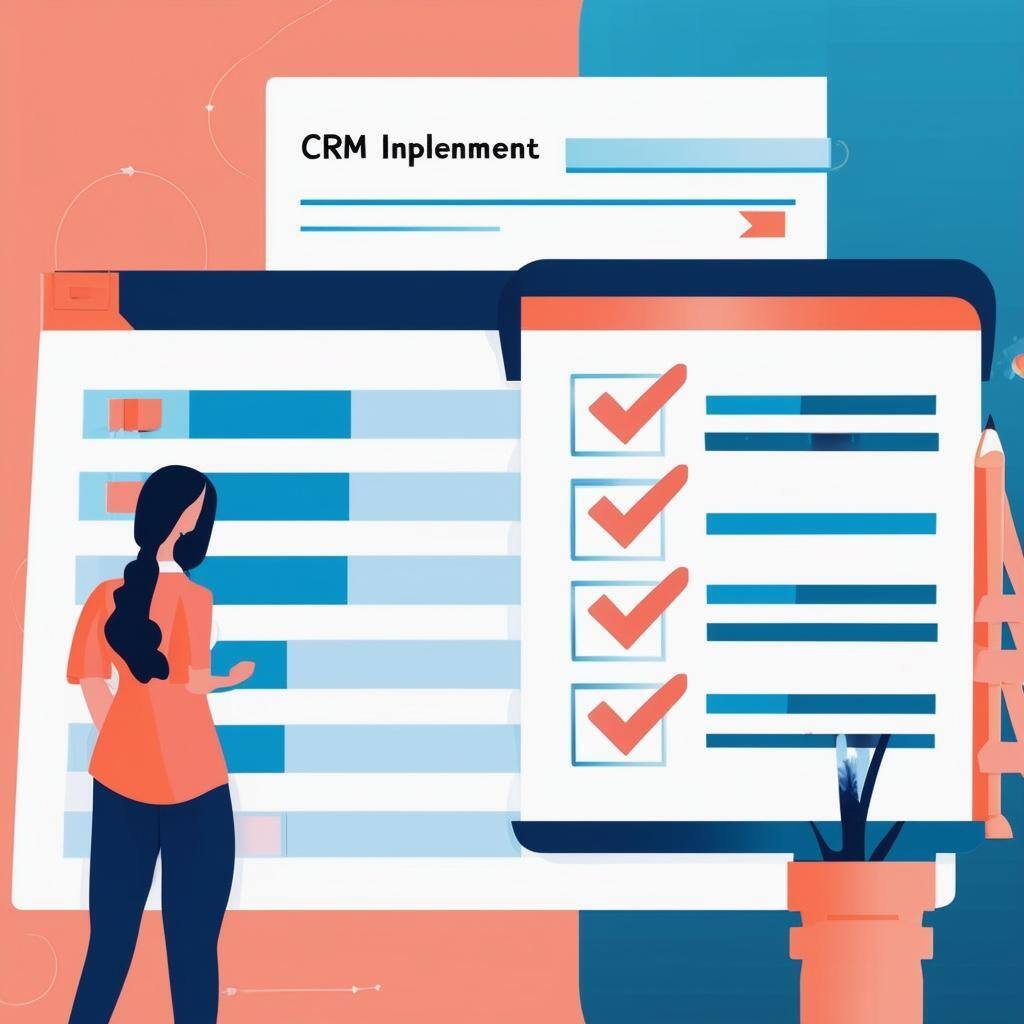
CRM systems promise to help businesses organize their customer data, streamline sales processes, and drive better outcomes across marketing, sales, and customer service. However, as we covered in our Why CRM Implementations Fail post, not all implementations go according to plan. Lack of user adoption, poorly defined goals, and neglected data hygiene are just a few of the many pitfalls that can derail a CRM project. To help ensure your new system launches smoothly—and avoid the mistakes that lead to failure—use this high-level, step-by-step CRM Implementation Checklist. Think of it as your roadmap, guiding you from initial planning through post-launch optimization.
crmhubspotimplementationhubspot-implementation

Dec 18, 2024
Marketing Operations professionals are the linchpin of any successful marketing team, ensuring that processes, tools, and data align to deliver impactful results. In 2025, Marketing Ops leaders will focus on increasing operational efficiency, improving campaign performance, and harnessing data to drive smarter decisions. This blog outlines key goals for Marketing Operations professionals to help teams scale, stay agile, and achieve measurable success in the coming year.
hubspotrevops

Dec 17, 2024
Managing passwords can feel like one more task on an already packed to-do list, especially during the busy holiday season. Whether you’re a growing business trying to wrap up end-of-year projects or a family organizing their holiday plans, shopping for gifts, or planning streaming marathons, everyone needs to be on the same page - and using the right accounts!
cyber-security

Dec 17, 2024
Choosing the right CRM for a healthcare company is a critical decision that impacts patient communication, operational efficiency, and compliance with stringent regulations like HIPAA. Both Salesforce and HubSpot are highly regarded CRM solutions, but HubSpot has emerged as a stronger contender in the healthcare space. With its ability to handle patient communication, HIPAA compliance, and support other healthcare-specific needs, HubSpot provides an intuitive, cost-effective, and scalable CRM solution tailored for the unique demands of healthcare organizations. In this blog post, we’ll dive into why HubSpot is the best CRM choice for healthcare companies, particularly in comparison to Salesforce, focusing on HIPAA compliance, patient communication, and industry-specific functionality.
hubspotbridgerevhealthcare

Nov 26, 2024
In today’s healthcare landscape, organizations face unique challenges, from ensuring compliance with strict regulations to fostering patient trust and delivering top-tier care. Healthcare professionals are constantly balancing the need for efficiency with the personal touch that defines excellent patient care. Enter HubSpot: a powerful, scalable platform that offers healthcare companies the tools they need to streamline operations, improve patient engagement, and make data-driven decisions—all while growing sustainably. Below, we’ll explore four key ways HubSpot empowers healthcare companies to thrive: improved patient engagement, operational efficiency, data-driven decision-making, and scalability.
hubspotbridgerevhealthcare