Why a Product Mindset is Needed for CRM Success
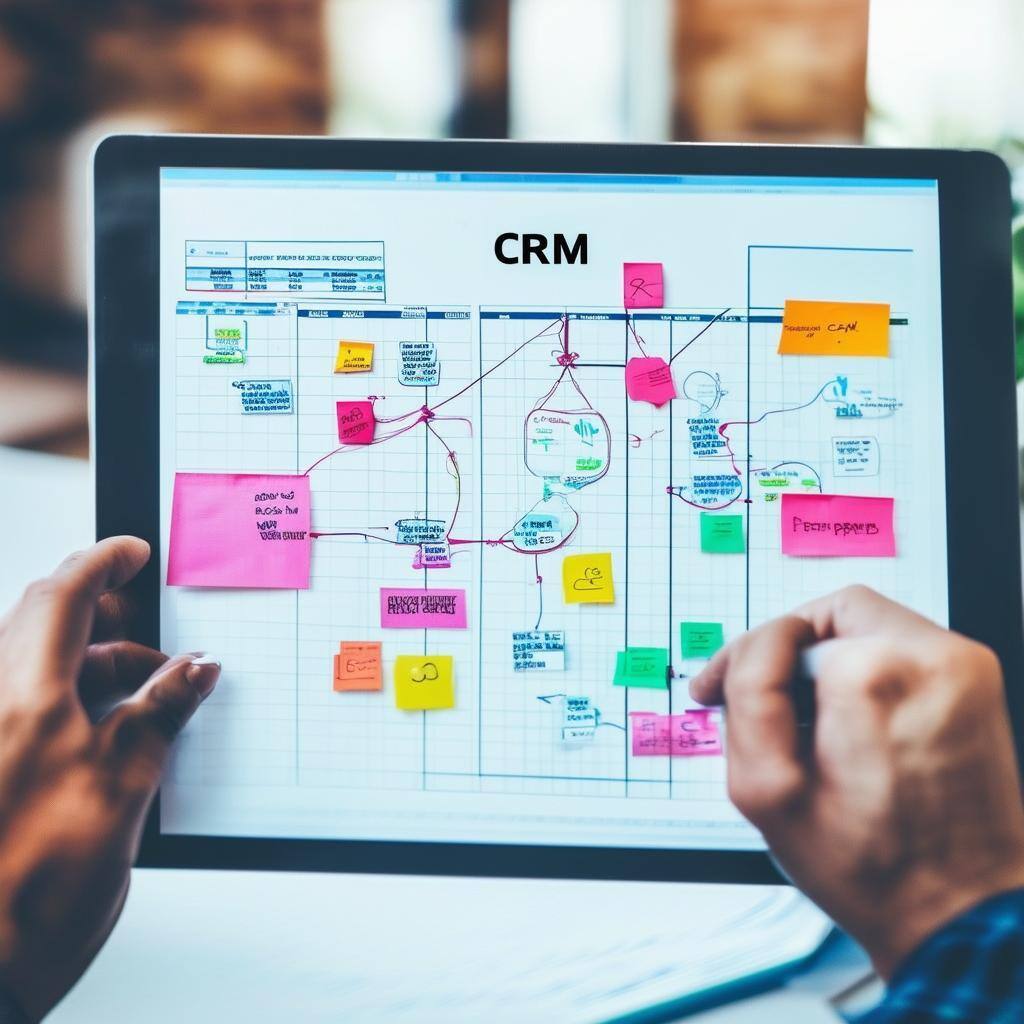
The Evolution of CRM Management: From Static Tool to Strategic Asset
When CRMs were first introduced, their primary function was to store contact information and sales interactions. They were seen as a way to organize data and streamline processes—an operational tool to be set up and largely forgotten.
But as businesses became more data-driven, this approach fell short. Today, CRMs must do more than store information; they need to integrate with your tech stack, provide actionable insights, and enable seamless collaboration across teams.
The shift toward a product mindset means treating your CRM like a living asset that requires ongoing attention, updates, and user engagement. Instead of being a one-time implementation, your CRM becomes an evolving product that drives business outcomes.
Why Static CRMs Fail
Static CRMs are no longer sufficient for today’s customer-centric world. Businesses that stick with this approach often encounter several issues:
- Low User Adoption: A static CRM often lacks customization and usability, causing employees to view it as a burden rather than a tool that empowers them. When teams resist using the system, the CRM becomes an expensive and underutilized investment.
- Outdated and Inaccurate Data: Without regular updates and maintenance, CRM data quickly becomes stale or riddled with errors. Poor data hygiene leads to ineffective marketing campaigns, missed sales opportunities, and poor customer experiences.
- Inability to Scale or Adapt: Businesses change over time, whether through new processes, tools, or strategies. A static CRM can’t adapt to these changes, leaving teams frustrated by its limitations and inefficiencies.
- Missed Opportunities for Automation and Insights: Modern CRMs, such as HubSpot, offer advanced features like AI insights and automation to streamline workflows and improve decision-making. Static systems fail to leverage these capabilities, causing businesses to fall behind competitors.

How a Product Mindset Transforms CRM Success
A product mindset involves managing your CRM as an evolving, user-focused asset. This approach not only increases adoption but also ensures the system continually meets the needs of your organization. Here’s how it works:
- User-Centric Design: A product-first CRM strategy prioritizes the user experience. By designing interfaces, workflows, and dashboards tailored to specific roles, your teams will see the CRM as a tool that makes their jobs easier—not harder.
- Continuous Improvement: Like any successful product, a CRM should evolve based on user feedback, performance metrics, and emerging business needs. Regular updates to workflows, automations, and reporting capabilities ensure the CRM stays relevant and valuable.
- Data as a Product: Clean, actionable data is critical for any CRM to deliver results. A product mindset treats data quality as an ongoing priority. Tools like HubSpot’s Operations Hub enable businesses to maintain synchronized, accurate data that drives better decision-making.
- Cross-Team Collaboration: CRMs should unite sales, marketing, and service teams around a single source of truth. A product mindset ensures the system integrates seamlessly with other tools, enabling collaboration and alignment across the organization.
Benefits of a Product Mindset for Your CRM
Adopting a product mindset for your CRM yields several key benefits:
- Increased User Adoption: A user-friendly CRM encourages teams to fully engage with the system, ensuring data is accurate and processes are optimized.
- Improved Efficiency: Automation and integrations reduce manual tasks, giving teams more time to focus on high-value activities.
- Scalability and Flexibility: A product-focused CRM evolves with your business, adapting to new challenges and opportunities.
- Enhanced Customer Experiences: A well-maintained CRM empowers teams to deliver personalized, timely interactions that build trust and loyalty.
Transform Your CRM with a Product Mindset
The static CRM model no longer meets the demands of modern business. By treating your CRM like a product, you can unlock its full potential and turn it into a growth-driving asset for your organization. This mindset ensures your CRM remains relevant, efficient, and aligned with your goals—now and in the future.
Ready to reimagine your CRM strategy? BridgeRev specializes in helping businesses leverage the power of HubSpot to create dynamic, product-focused CRMs. Contact us today to learn how we can help you transform your CRM into a tool that drives measurable success.
If you’re ready to go beyond CRM setup and start building smarter, more connected systems, these resources will help you strengthen adoption, strategy, and long-term performance.
Want to Dive Deeper into CRM Strategy and Optimization?
Looking to build a stronger CRM foundation? Start with Building a Data-First Culture for Your CRM.
Explore more of our resources from Clevyr on how to plan, launch, and scale a CRM that works for your team — not against it:
- Get practical onboarding insights in Best Practices for CRM User Adoption: Training, Onboarding, and Long-Term Engagement.
- See if your business is ready for CRM investment with Should I Be Using a CRM? 7 Questions to Ask.
- Learn how to measure real business impact in How to Evaluate CRM ROI: Metrics That Matter..
- Explore how design thinking drives adoption in User-Centric CRM Design: What It Is and Why It Matters.
- Follow a proven process for launch success in The Ultimate CRM Implementation Checklist: 10 Steps to a Successful Launch.
- Stay ahead of emerging trends with The Future of CRM: AI and Automation.
Keep reading

Oct 13, 2026
Software in a Service: Taking Responsibility for What Happens Next
An integration fails on a Tuesday morning. Website inquiries stop reaching the CRM. Nobody notices until a customer calls to ask why no one got back to them.
Feb 03, 2026
What HubSpot Admins Should Focus on in Q1
Q1 is when HubSpot Admins lock the decisions that keep Q2 (and the rest of the year!) from turning into damage control. This is the time to decide what the system will do, who owns what, and how you’ll measure success.

Nov 07, 2025
The Simple Guide to HubSpot Agency Onboarding
You already know that HubSpot is the best tool to run your business smoothly and help it grow. You’re ready to get started with implementing best practices, but where to begin?