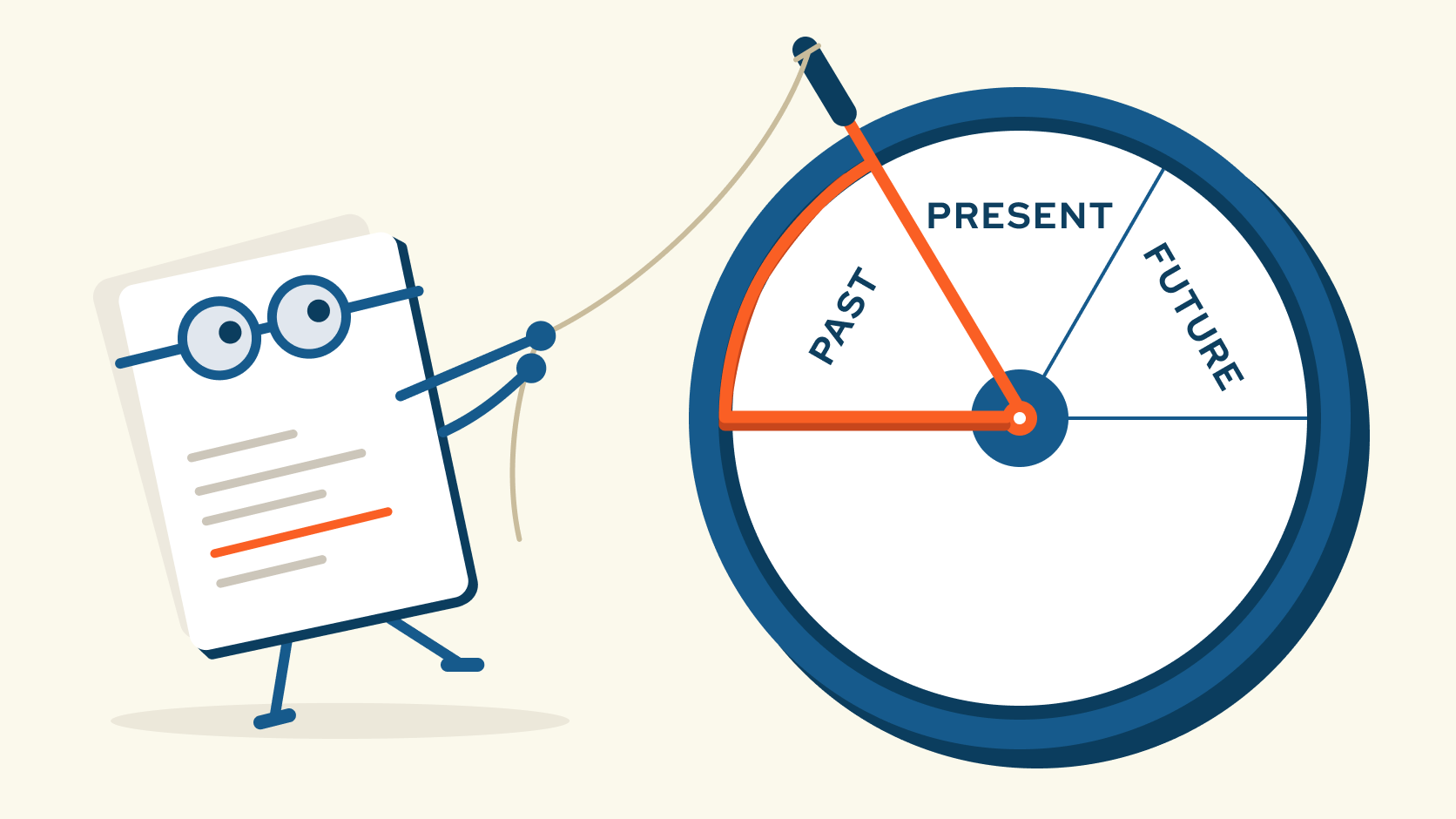
Can Your Logs Take You Back in Time?
A customer’s account changed overnight. An automated process ran, and the result wasn’t what anyone expected. By 9 a.m., the CISO is in the logging suite, working backward.
13 articles from the engineers and strategists doing the work.
A customer’s account changed overnight. An automated process ran, and the result wasn’t what anyone expected. By 9 a.m., the CISO is in the logging suite, working backward.
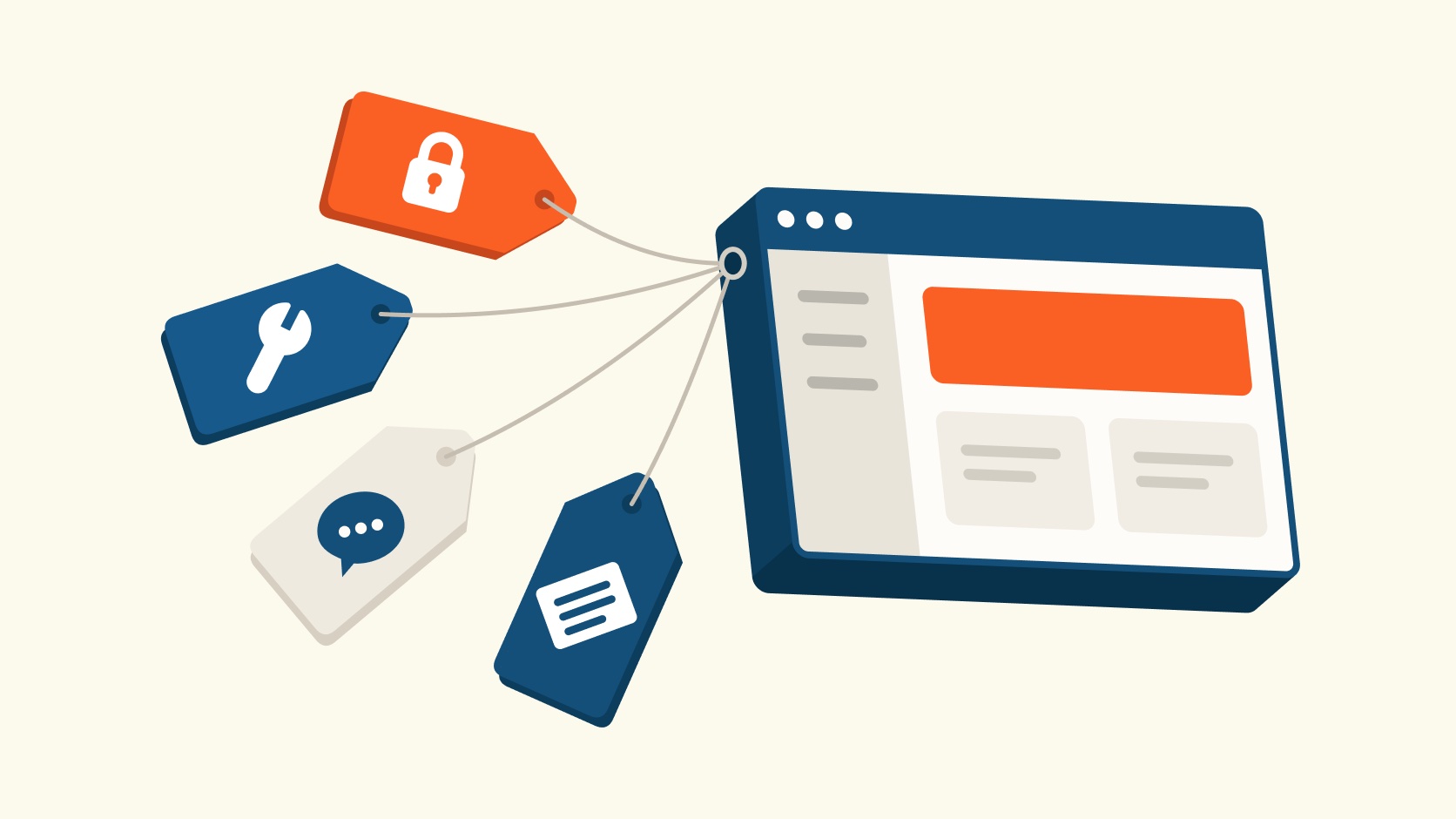
Let's say you've used an AI coding tool to build a customer portal. It looks good. Customers can log in, find what they need, and get something done without calling your office.
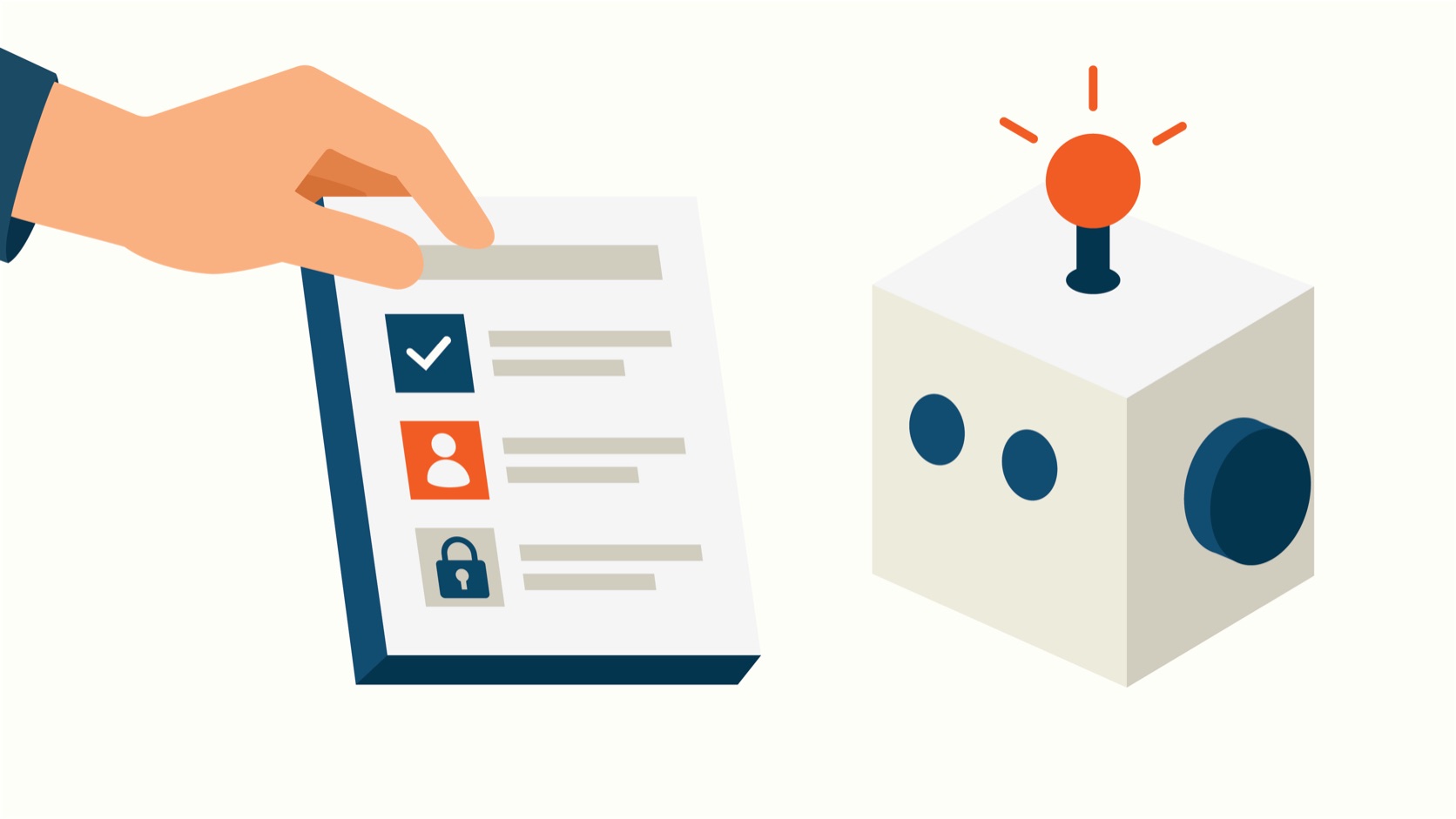
Let's take a really common thing leaders say: "Take care of this customer." You already understand that it comes with limits.

An integration fails on a Tuesday morning. Website inquiries stop reaching the CRM. Nobody notices until a customer calls to ask why no one got back to them.

This document outlines several key types of specialized AI models in use today. These architectures power everything from chatbots to autonomous vehicles, from image generation to speech recognition. Each entry includes an explanation, a breakdown of the model's key steps, and a validation note for real-world usage.

From Extended Cognition to Peripheral Cognizance Most of us already extend our thinking into the tools we use. Alarms nudge us awake and remind us to take meds or do chores. We set calendar notifications for meetings we might otherwise forget. GPS recalculates when we miss a turn. These are everyday examples of extended cognition—our minds stretching into our devices.

For decades, we’ve been shackled—quietly and obediently—to operating systems. They promised order, organization, and access. They gave us desktops, dashboards, and docked icons. They also locked us into their structures, demanded obedience to syntax, to sequences of clicks and keystrokes that said: “Use it our way.”

When we talk about security in software development or system architecture, the conversation usually centers around firewalls, encryption, or penetration tests.

Let's take a quick trip back to the early ‘90s. No cloud software. No instant messaging. No fancy dashboards pulling data from half a dozen sources in real time. If you needed something from another department, you picked up the phone, walked over to someone’s desk, or waited for someone to drop a printed report in your inbox - your physical inbox - on your desk.
Agentic AI is where things start getting really interesting.
In the late 1990s, search engines like AltaVista and Infoseek were marvels of the early internet, providing users with the power to navigate a vast digital ocean of information. Despite their innovation, they still weren't quite perfect. They relied on simple keyword matching, often returning a flood of results that left users drowning in irrelevant links. Then?
I started this on LinkedIn and quickly shot past the character limit so I made it a small blog post. Looking to learn more about AI? Check out our guide to specialized AI models, AI agents and the future of CRM with AI.

If you’ve been part of the gaming world and playing video games for any amount of time, you probably like a challenging game. Compared to the human player, though, computer controlled characters and obstacles often have the upper hand. Winning, in short, can be tough, especially on higher difficulty modes.
YOUR NEXT DECISION
Tell us what's slowing you down, what you've tried, and what needs to be different. We'll start there.
Come with a problem. You don't need a specification.
The first conversation helps define the next step, whether or not that step is with us.